
Medical device hardware runs on a stricter version of the discipline that drives all machining: the material must be exactly what the drawing names, the features must be measured rather than assumed, and the records must survive contact with a device file. A part made from the wrong stainless grade tells a device test nothing about the production part; a part shipped without its certificate leaves a hole in the documentation a regulator could pull open years later. When the machining is delivered from China, none of the evidence is harder to obtain than from a domestic shop, but it must be made a deliverable from the first order. This article is the buyer's checklist for medical CNC machining in China: materials, documentation, and tolerances.
Which medical parts are machined in China, and what needs verifying?
Medical device programs source a wide range of machined hardware from China: instrument shafts and handles, implant trial parts, surgical tooling, housings for electronics, and the fittings and fluid-path components of diagnostic equipment. What they share is that the material, the tolerance, and the measurement matter as much as the shape — a handle must feel right and carry the right finish, a shaft must run true on its journals, a fitting must seal, and the whole part must carry a traceable record into the device file. The precision features are exactly where a machining shop earns its keep: tight bores, true positions, and finishes that must slide or seal.
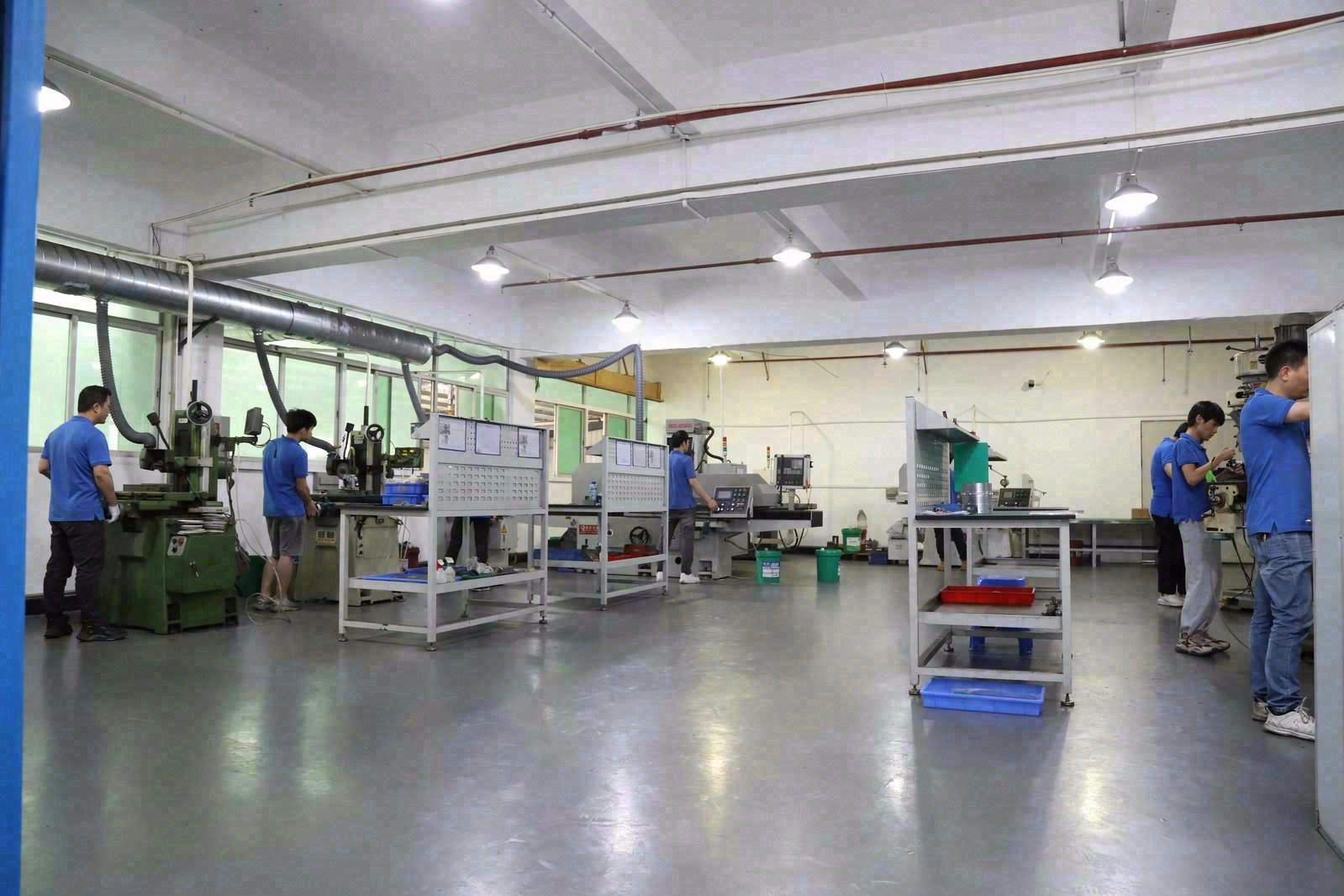
The verification story on medical machining has three acts. First, the metal must be bought to the standard on the drawing and verified at receiving, because a substituted alloy passes every dimension and fails in service. Second, the part must be measured against the drawing on the right instruments, with the results reported — a CMM for bores and true positions, a profilometer for finishes. Third, the finished parts must be traceable to the heat and the machine that produced them, with the documents structured for your file. Each of these is a deliverable with a due date, and each can be verified from the buyer's desk. The quality page of this site shows the inspection workflow a machining floor runs.
Which materials should a medical drawing specify?
The everyday materials of medical machining form a short list, and each is on the drawing for a reason. Stainless grades dominate: 304 and 316L for corrosion resistance in instrumentation and fluid paths, and 17-4PH where a part must carry the strength of a hardened precision component. Titanium Ti-6Al-4V appears where strength-to-weight and biocompatibility lead, in implant-adjacent trials. Aluminum carries the housings and instrumentation hardware where weight and cost rule and the body-contact risk is low. Each is specified to the standard on the drawing, and where the material must meet a biocompatibility or implant standard, the certificate trail is the evidence that feeds your device file.
On a sourced part, the grade and condition on the drawing must match the production intent exactly, because the tolerance and the material are tested together. A 17-4PH part in the annealed condition cannot validate the strength of a production H900 part, and a 316L part validates a 316L corrosion story only in 316L. Name the grade, the condition, and the standard on the drawing, and confirm the shop sources the certified form with the certificate at receiving, because on a medical part, the material record is part of the regulatory answer, not an administrative extra. Keep the certificates from every production run with the drawing revision they belong to, so the device file reconstructs exactly which grade, heat, and geometry produced each result.
What should the material certificate prove, and when should it arrive?
Read a material certificate the way an auditor in a notified body will read it years later. It must name the specification and condition from your drawing, carry a heat or lot number, and that number must match the marking on the delivered bars, plate, or billet. Where the standard calls for mechanical testing, the certificate should show actual values rather than a generic statement of compliance. And it must be in English, because it will sit in your device file and your quality system after that. A certificate that describes a generic grade with no heat number is a description, not a certificate, and it belongs in the reject pile.
Timing decides whether the document proves anything. The certificate must arrive with the metal and be checked before the stock is cut, because a certificate assembled after machining cannot be tied to the physical material with confidence. Ask how the shop handles unverified material at receiving — whether it is quarantined until the certificate is checked — and how it records which heat went into which work order. Where the part is critical enough, consider requiring positive material identification at receiving in addition to the paper certificate, because the certificate proves the metal came from a certified heat, while a positive identification proves the stock that reached the machine matches it. On medical hardware, that double check is cheap insurance against a failure no instrument report will catch.
Which quality system and medical flow-downs should a buyer check?
Two certification layers come up when qualifying a China machining shop for medical work, and buyers should keep them clear. The first is the general quality layer: ISO 9001:2015 as the baseline, with IATF 16949:2016 (product design excluded) and ISO 14001:2015 showing additional discipline in documentation and process control — the factory behind this site holds all three. The second is ISO 13485, the quality management standard specific to medical device manufacturing, held by organizations certified to it. Which layer your order needs depends on the part's role and on what your contract and your device file require of the supplier.
For component machining, ISO 9001-certified shops commonly work under contractual flow-downs — material certificates, inspection reports, traceability, change notification — with the regulatory responsibility carried by the device manufacturer and its file. Where your quality system requires the supplier to hold ISO 13485, ask for the certificate and read its scope; where it does not, write the flow-downs into the PO explicitly, because a part that skips the documentation will also skip the verification, and the design lessons you draw from it will be lessons about the wrong part. Either way, the requirements belong in the order in writing, and the certificate scopes belong in your qualification file.
What must the inspection report show on a medical part?
The inspection report is the document that proves the shop measured the part instead of assuming it. On a medical machined part, the report should cover every characteristic the drawing carries: each dimension and tolerance, the geometric callouts such as true position and runout, the surface finish values, the threads, the material and condition, and the notes. For each characteristic the report states the required value, the measured value, the instrument used, and a conformance decision, and a non-conforming characteristic is flagged for disposition rather than adjusted silently.
Review the report for the signs of real measurement. A believable report names the instrument for each feature — a CMM for a bore or a true position callout, a profilometer for a finish — and flags non-conformances rather than restating nominal values. On medical precision work, the finish values deserve particular scrutiny, because fine finishes such as Ra 0.4 µm and below are reached by grinding, lapping, or polishing as separate operations, and each carries its own measurement. Require the inspection report with the part, structured so the numbers and the instruments can sit directly in your device file, and review it the day it arrives, because a report read late is a lesson missed.
Which tolerances and finishes are realistic on medical parts?
On a precision machining floor the capability envelope is well defined. Milling and turning hold ±0.003 mm on controlled features, and where a surface demands more — a mating journal, a seal diameter, a bearing seat — precision grinding reaches ±0.002 mm as a separate operation. The process capability target on critical characteristics is Ppk ≥ 1.67 initial. Surface finish follows the same ladder: the standard machined range comes with the pass, fine finishes move to grinding or polishing, and each step costs time and money that a drawing should only spend where the function earns it.
Two verification rules keep the tolerance story honest on medical parts. First, separate geometric characteristics from dimensional ones: a diameter can measure perfectly and still be out of round or eccentric relative to its datum, so runout and true position need their own callouts and instruments. Second, agree the measurement reference — 20 °C — and which instrument verifies each critical feature, because an instrument should resolve about ten times finer than the band it judges. A ±0.003 mm feature belongs on a CMM, not a hand gauge, and the drawing or the PO should say so.
How do passivation, cleanliness, and surface treatment fit a medical part?
Surface condition carries real weight on medical hardware. Stainless parts that see moisture or body contact are passivated to remove machining contamination and restore the protective oxide film; parts with defined cleanliness requirements are cleaned to a specification; and where a part must validate the production finish, the finishing chain — passivation, electropolishing, anodizing for aluminum — should be the production chain, with its records. Each of these steps is a process with a specification and acceptance criteria, and each record belongs with the lot.
Name the surface requirements on the drawing with the material, and ask the shop which of them it runs in-house and what records ship with the part. Where the part feeds a regulatory test, the treatment must match the production intent, because a part that skips passivation tells you nothing about the passivated production part, and a cleanliness level that is not measured is a claim with no evidence. When you compare quotes for a medical part, compare the surface chain as well as the price, because a quote that omits the treatment step is a quote that will grow.
Which questions belong on a medical machining RFQ?
Everything above condenses into a short list that should travel with the first RFQ, so the answers arrive with the price rather than after it.
- Material: Will you procure stock to the standard I name, in the condition and grade on my drawing, with the certificate at receiving? May I see a sample certificate format?
- Verification: How is incoming material verified against its certificate before the stock reaches a machine?
- Inspection report: Will the part ship with an inspection report naming the measured values and the instruments used on each critical feature?
- Tolerance evidence: For each critical diameter, runout, and finish callout, which instrument verifies it, and what will the report show?
- Surface chain: Is passivation, electropolishing, or anodizing run in-house, to what specification, and what records ship with the part?
- Traceability: What does the lot record capture — heat number, machine, program revision, operator, inspection results — and in which language?
- Change control: How are drawing revisions and material source changes communicated, and who approves them before a part is made?
A shop that answers with named documents and named processes is telling you the truth about its systems; one that answers with assurances is telling you about its sales desk. On medical machining from China, the certificate, the inspection report, and the lot record are part of the part, and the buyer who treats them that way gets hardware that validates the design and feeds the device file. Ask for a sample of each document with the quote, so the formats you approve are the formats that ship.
The buyer's rule of thumb: on medical parts machined in China, the material certificate, the inspection report, and the surface records are deliverables with due dates — exactly like the parts. If a shop cannot commit to them in the quotation, the quotation is incomplete.
Frequently Asked Questions
Can machining in China really make medical device parts?
Yes, when the requirements are written into the order. A shop certified to ISO 9001:2015, IATF 16949:2016 (product design excluded) and ISO 14001:2015 can buy traceable stock in the medical grades, verify it at receiving, machine to the drawing's tolerance and finish, and ship the records with the parts. Validate the records for one completed order before you commit a program.
Which materials are common for medical parts machined in China?
Stainless grades such as 304, 316L and 17-4PH, titanium Ti-6Al-4V, and aluminum for instrumentation hardware, bought to the standard on the drawing with the certificate tied to the heat. Where the material must meet a biocompatibility standard, the certificate trail supports your device file.
Is ISO 13485 required for medical parts machined in China?
ISO 13485 is the quality management standard for medical device manufacturers, and the question is whether your contract requires your supplier to hold it. For component machining, ISO 9001:2015 plus contractual flow-downs — material certificates, inspection reports, traceability — is the common arrangement, with your device file carrying the regulatory responsibility.
What tolerances can a China machining shop hold for medical parts?
Milling and turning hold ±0.003 mm and precision grinding reaches ±0.002 mm, with Ppk ≥ 1.67 at the initial study on critical characteristics and Cpk ≥ 1.33 on general characteristics. Capability is reported per characteristic: every report names the feature, its tolerance band, the sample size, the sigma method, and the study window. Fine finishes such as Ra 0.4 µm and below are reached by grinding, lapping, or polishing as separate operations, and each carries its own measurement.
What documentation should ship with a medical part from China?
The material certificate naming the grade and condition with the heat number, the inspection report with measured values and instruments for the critical features, and the lot record tying the part to its heat and machine. The documents should be in English and structured so they can sit in your device file.
Do medical parts from China need special cleanliness or passivation?
Where the part or its environment demands it — implantable-adjacent hardware, fluid paths, stainless parts that see moisture — passivation and defined cleanliness belong on the drawing with their acceptance criteria and records. Ask the shop which of these it runs in-house and what records ship with the lot.
Need a China machining partner that will put the documentation in the quote?
Send the drawing, the material standard, and your documentation requirements through the contact page — the review will come back with the material, surface chain, tolerance, and record plan stated in writing.